Eat to beat chronic inflammation, a key to feeling your best every day. You might not always feel it, but low-grade, persistent inflammation can subtly affect your energy levels, joint comfort, and overall sense of well-being. It’s a process that can contribute to various health concerns over time, making everyday activities feel more challenging.
This is particularly relevant for anyone experiencing persistent fatigue, stiffness, or simply seeking to proactively support their long-term health. This article will explore how your dietary choices play a significant role in managing inflammation. We’ll delve into the types of foods that can help calm your body’s inflammatory response and those that may inadvertently contribute to it. Our aim is to provide you with practical, actionable insights to empower your journey towards a more vibrant you.

Eat to Beat Chronic Inflammation
Understanding Chronic Inflammation: A Silent Contributor to Health Issues
Inflammation is a natural and essential part of the body’s defense system. When you get a cut, sprain an ankle, or fight off an infection, your body initiates an inflammatory response. This process, often characterized by redness, swelling, heat, and pain, is designed to protect you, remove harmful stimuli, and begin the healing process. This is acute inflammation, a short-term, beneficial reaction.
However, when this inflammatory response becomes prolonged and persistent, it can turn into a problem. This is known as chronic inflammation. Unlike acute inflammation, chronic inflammation doesn’t have a clear external trigger that resolves. Instead, it’s like a low-grade, constant alarm bell ringing within your body. This persistent state of inflammation can damage tissues and organs over time, contributing to a wide range of health concerns, from heart disease and diabetes to autoimmune conditions and certain types of cancer. It’s a subtle yet significant factor that many health authorities now recognize as a critical player in maintaining long-term well-being.
Common Signs and Contributing Factors of Chronic Inflammation
Recognizing chronic inflammation isn’t always straightforward, as its symptoms can be vague and overlap with other conditions. However, some common indicators and contributing factors can help you identify if it might be an issue for you:
- Persistent fatigue and low energy levels
- Frequent infections or slow wound healing
- Digestive issues like bloating, gas, or constipation/diarrhea
- Joint pain, stiffness, or swelling
- Skin problems such as rashes, acne, or eczema
- Weight gain, particularly around the abdomen, that is difficult to lose
- Mood changes, including depression, anxiety, or brain fog
Several lifestyle and environmental factors can contribute to or exacerbate chronic inflammation:
- Diet: A diet high in processed foods, refined sugars, unhealthy fats (like saturated and trans fats), and red meat can fuel inflammation.
- Lack of Physical Activity: A sedentary lifestyle can contribute to increased inflammation in the body.
- Chronic Stress: Prolonged stress triggers the release of hormones that can promote inflammation.
- Poor Sleep: Insufficient or disrupted sleep can negatively impact the body’s ability to regulate inflammatory responses.
- Environmental Toxins: Exposure to pollutants, certain chemicals, and smoking can increase inflammation.
- Underlying Health Conditions: Conditions like obesity, autoimmune diseases, and certain infections can inherently involve chronic inflammation.
General Guidance for an Anti-Inflammatory Diet
Health authorities worldwide generally agree that dietary choices play a significant role in managing chronic inflammation. The overarching principle is to adopt an eating pattern that emphasizes nutrient-dense, whole foods while minimizing pro-inflammatory components. This isn’t about drastic restrictions but rather a shift towards a more balanced and supportive way of eating.
The general guidance points towards:
- Prioritizing Whole, Unprocessed Foods: These foods are rich in vitamins, minerals, antioxidants, and fiber, all of which have anti-inflammatory properties.
- Increasing Intake of Fruits and Vegetables: Aim for a wide variety of colorful fruits and vegetables. They are packed with antioxidants and phytochemicals that combat inflammation.
- Choosing Healthy Fats: Focus on monounsaturated and polyunsaturated fats, particularly omega-3 fatty acids, found in sources like fatty fish, flaxseeds, chia seeds, and walnuts. Limit saturated and trans fats.
- Opting for Lean Protein Sources: Include fish, poultry, legumes, and plant-based proteins.
- Incorporating Whole Grains: Choose whole grains like oats, quinoa, brown rice, and barley over refined grains.
- Limiting Sugary Foods and Drinks: High sugar intake is a significant driver of inflammation.
- Reducing Consumption of Processed Foods: These often contain unhealthy fats, refined sugars, and additives that can promote inflammation.
- Moderate Consumption of Red Meat: While not entirely to be avoided, excessive intake of red meat can be pro-inflammatory for some individuals.
Practical Everyday Habits to Combat Chronic Inflammation
Translating general guidance into actionable steps is key to making a lasting impact on your health. Here are some practical habits you can incorporate into your daily life:
- Start Your Day with an Anti-Inflammatory Breakfast: Instead of sugary cereals, opt for oatmeal topped with berries and nuts, or a smoothie made with leafy greens, fruit, and a source of healthy fat like avocado or seeds.
- Fill Half Your Plate with Vegetables at Lunch and Dinner: Make vegetables the star of your meals. Experiment with different cooking methods like steaming, roasting, or stir-frying to enhance flavor and nutrient retention.
- Snack Smart: Choose whole fruits, a handful of nuts or seeds, or plain yogurt with berries over processed snacks like chips or cookies.
- Hydrate Wisely: Drink plenty of water throughout the day. Herbal teas, especially green tea, also offer anti-inflammatory benefits.
- Cook More at Home: This gives you greater control over the ingredients you use, allowing you to prioritize fresh, whole foods and limit added sugars, unhealthy fats, and sodium.
- Prioritize Sleep: Aim for 7-9 hours of quality sleep per night. Establish a relaxing bedtime routine and create a sleep-conducive environment.
- Move Your Body Regularly: Engage in at least 30 minutes of moderate-intensity exercise most days of the week. This could include brisk walking, cycling, swimming, or dancing.
- Manage Stress: Find healthy ways to cope with stress, such as meditation, deep breathing exercises, yoga, spending time in nature, or engaging in hobbies you enjoy.
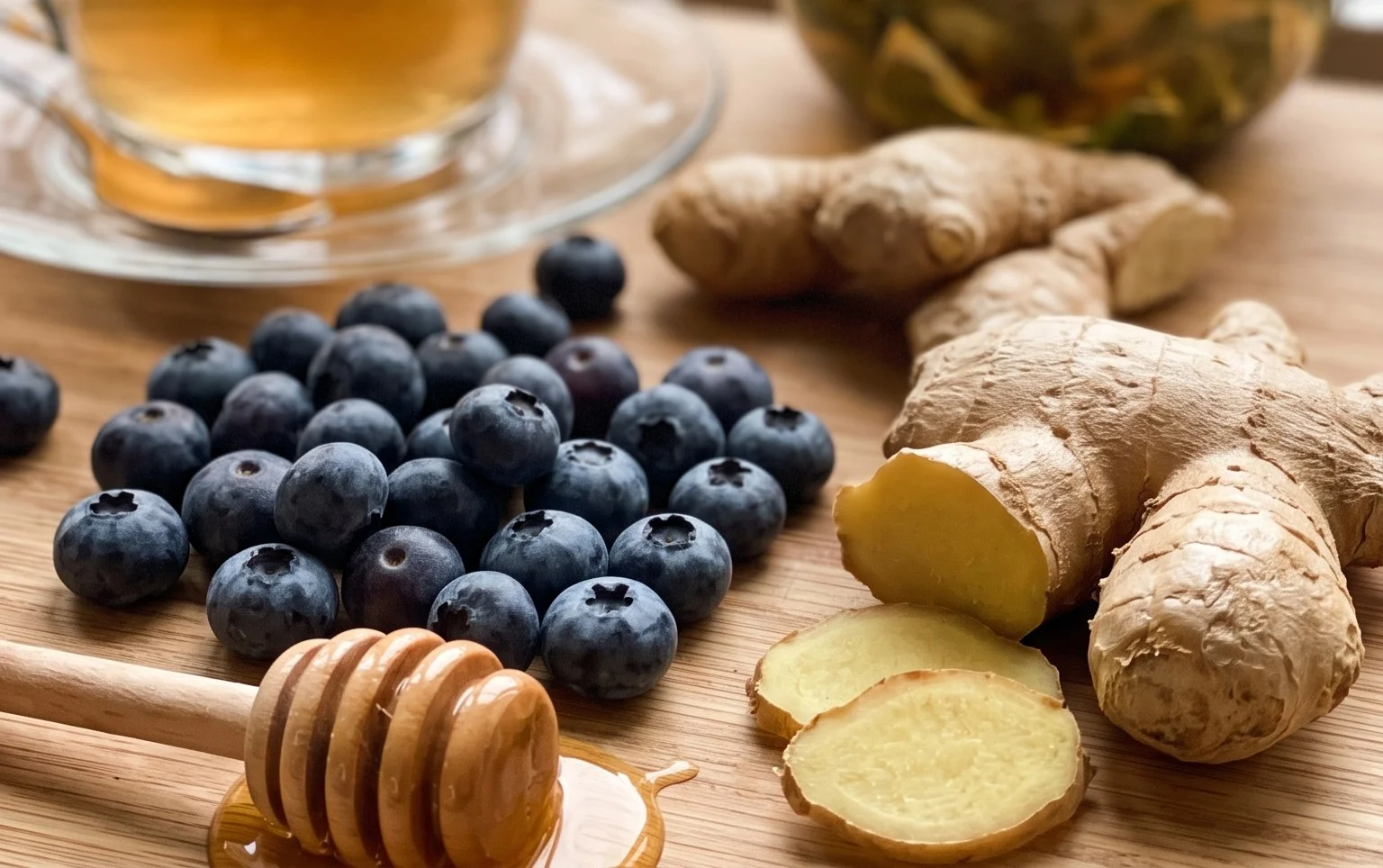
- Incorporate Anti-Inflammatory Spices: Use turmeric, ginger, garlic, cinnamon, and cayenne pepper in your cooking. They are known for their potent anti-inflammatory properties.
What the Evidence Supports and What It Doesn’t
The scientific evidence supporting the link between diet and chronic inflammation is robust and continues to grow. Numerous studies and observational data highlight the benefits of certain dietary patterns and specific foods in reducing inflammatory markers in the body.
What the Evidence Generally Supports:
- Mediterranean Diet: This eating pattern, rich in fruits, vegetables, whole grains, legumes, nuts, seeds, olive oil, and fish, is consistently associated with lower levels of inflammation and reduced risk of chronic diseases.
- Omega-3 Fatty Acids: Evidence strongly supports the anti-inflammatory effects of omega-3s found in fatty fish (salmon, mackerel, sardines), flaxseeds, and walnuts.
- Antioxidant-Rich Foods: Berries, dark leafy greens, and other colorful fruits and vegetables are well-established as potent sources of antioxidants that combat oxidative stress, a key component of inflammation.
- Fiber: A high-fiber diet, particularly from whole grains and legumes, is linked to reduced inflammation and improved gut health, which plays a role in immune regulation.
- Reduced Intake of Sugar and Processed Foods: Strong evidence links high consumption of added sugars and ultra-processed foods to increased inflammation and a greater risk of chronic diseases.
What the Evidence Does Not Fully Support (or requires more research):
- Specific “Superfoods” as Miracle Cures: While certain foods are beneficial, the idea that a single “superfood” can eradicate chronic inflammation on its own is not supported. A balanced dietary pattern is more impactful.
- Elimination Diets Without Professional Guidance: While some individuals may have specific food sensitivities that contribute to inflammation, broad elimination diets without proper medical supervision can lead to nutrient deficiencies and are not a universally proven solution for everyone.
- Dosage-Specific Claims for Supplements: While some supplements may offer anti-inflammatory benefits, claims about specific dosages for curing inflammation are often not rigorously proven and can vary greatly in effectiveness and safety.
- The Idea that All Inflammation is Bad: It’s crucial to remember that acute, beneficial inflammation is a vital bodily process. The focus is on managing *chronic*, detrimental inflammation.
Common Myths About Inflammation Worth Correcting
Misconceptions about inflammation are common and can lead to confusion or misguided health efforts. Here are a few myths that are worth clarifying:
- Myth: Inflammation is always a sign of infection or illness.
Reality: As discussed, inflammation is a normal response to injury or infection. However, chronic inflammation can persist without an obvious external cause and is often a silent contributor to disease. - Myth: All fats are bad for you, especially if you’re trying to reduce inflammation.
Reality: This is far from true. Healthy fats, particularly omega-3 and monounsaturated fats, are crucial for health and have anti-inflammatory properties. It’s the unhealthy saturated and trans fats that are the primary dietary culprits for promoting inflammation. - Myth: If I don’t feel sick, I don’t have chronic inflammation.
Reality: Chronic inflammation is often silent and can develop over years without overt symptoms. By the time symptoms appear, it may have already caused significant damage. Focusing on an anti-inflammatory lifestyle proactively is key. - Myth: You need to cut out entire food groups to reduce inflammation.
Reality: For most people, a balanced dietary approach focusing on whole, unprocessed foods and limiting inflammatory triggers is more effective and sustainable than extreme food restrictions. Individual sensitivities exist, but a generalized elimination is rarely the answer.
When to Speak to a Qualified Healthcare Professional
While adopting an anti-inflammatory lifestyle can be very beneficial for overall health, it’s essential to recognize when professional medical advice is necessary. If you are experiencing persistent symptoms that concern you, or if you have a diagnosed chronic health condition, it is always best to consult with a qualified healthcare professional. They can help:
- Accurately diagnose the cause of your symptoms.
- Assess your individual health status and identify potential underlying issues contributing to inflammation.
- Provide personalized advice tailored to your specific needs and medical history.
- Monitor your progress and adjust recommendations as needed.
- Rule out other conditions that may mimic symptoms of inflammation.
This article provides general information and is not a substitute for professional medical advice. Always seek the guidance of your physician or other qualified health provider with any questions you may have regarding a medical condition or before embarking on any new diet or exercise program.
Conclusion
Embracing a diet that helps beat chronic inflammation doesn’t require a complete overhaul. Focus on gradually incorporating more nutrient-dense, anti-inflammatory foods like colorful fruits and vegetables, lean proteins, and healthy fats. Small, sustainable shifts in your eating habits, rather than drastic eliminations, are the key to long-term success. Remember, the information presented here is for general guidance and should not replace personalized advice from a healthcare professional. We encourage you to continue your wellness journey and explore further resources on nutrition and healthy living.